Cloud Operating System
Cloud Operating System Definition
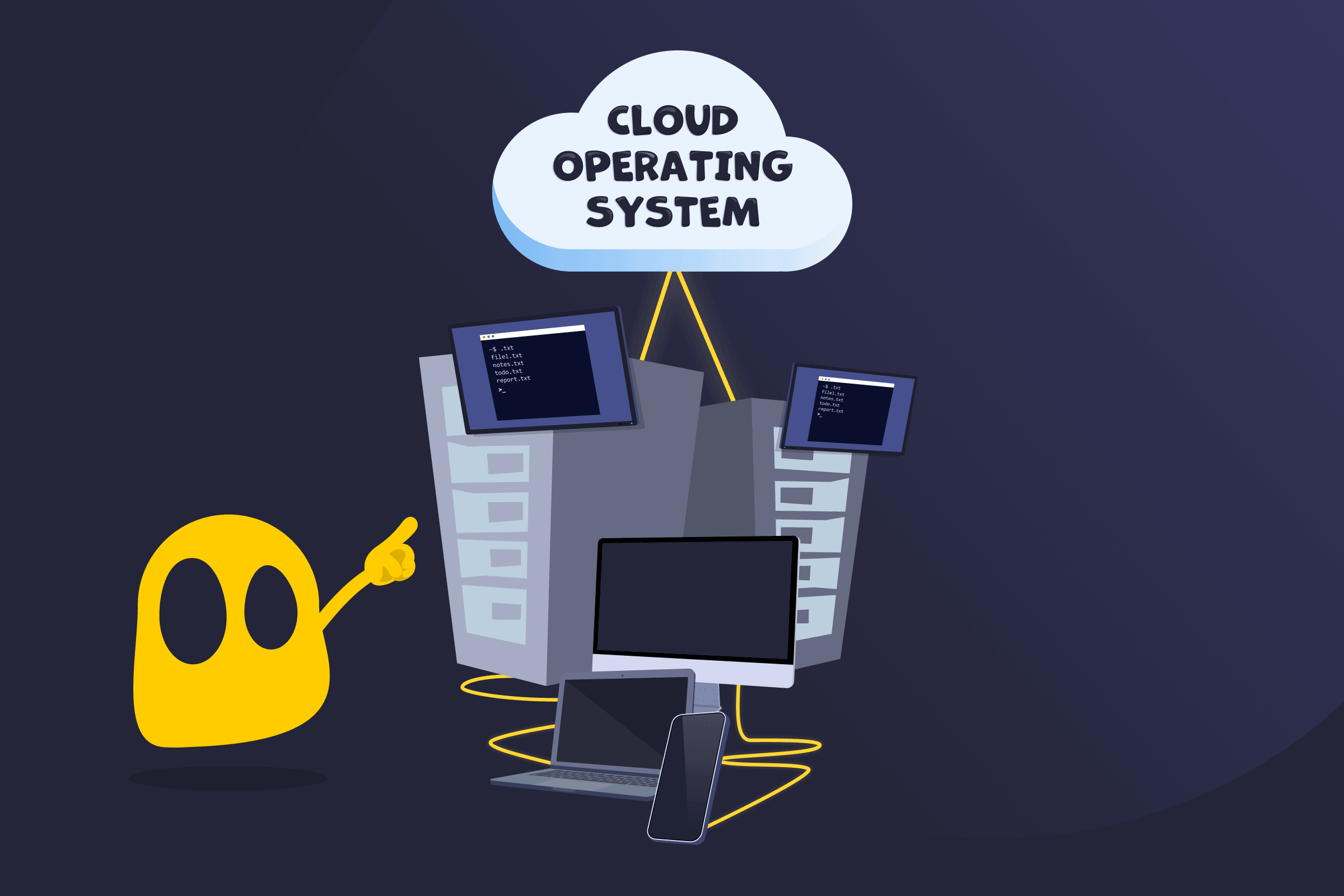
A cloud operating system is a distributed software platform that manages computing resources, applications, and data across a network of internet-connected servers rather than a single local machine. While traditional systems like Windows or macOS control the hardware of an individual computer, a cloud OS coordinates virtual machines, storage, and networking across an entire infrastructure.
Cloud operating systems support scalable environments for hosting web-based tools, databases, and collaborative software. They can handle large numbers of users and provide access to services such as virtual desktops or browser-based applications without requiring local software installation. Major platforms such as Microsoft Azure, Google Cloud Platform, and Amazon Web Services (AWS) are built on this model.
How a Cloud Operating System Works
A cloud operating system acts as the central orchestrator for distributed infrastructure, managing physical servers, storage, and network resources to ensure seamless application delivery. By dynamically allocating processing power and memory, it supports remote user access to applications and data through web browsers.
These systems divide physical servers into multiple independent virtual machines, which facilitates efficient hardware usage and rapid, scalable deployment. This architecture enables data centers to support thousands of users at the same time by automatically balancing workloads and preventing system overloads.
Cloud operating systems provide a unified environment for hosting diverse, web-based applications, ranging from productivity tools to advanced analytics. They also automate maintenance, ensuring continuous system monitoring, security, and updates across the network without requiring manual intervention.
Pros of Cloud Operating Systems
- Scalable computing power: Cloud OS platforms allow organizations to increase or reduce resources based on demand.
- Remote access: Users can access applications, files, or virtual desktops from anywhere with an internet connection.
- Automatic updates: Software patches and system upgrades are often deployed automatically across the cloud environment.
- Cost efficiency: Organizations can reduce hardware and maintenance costs by using cloud-based infrastructure instead of maintaining local servers.
- High availability: Workloads can be distributed across multiple servers to reduce downtime.
Cons of Cloud Operating Systems
- Internet dependency: Cloud operating systems rely heavily on stable internet connectivity, and slow connections can affect performance.
- Less direct control: Infrastructure is managed by the provider rather than locally.
- Potential latency: Remote access may introduce delays depending on location and network quality.
- Security considerations: Shared environments require strong access controls and monitoring.
Read More
FAQ
A cloud operating system is software that manages computing resources, storage, and applications within a cloud infrastructure. It allows systems to run multiple servers instead of a single device. It also enables users and organizations to access services remotely over the internet, often through web browsers or cloud-based platforms. By handling resource allocation, scaling, and system management in the background, a cloud operating system allows applications to run efficiently without relying on local hardware.
A traditional operating system, like Windows or macOS, manages the hardware and software of a single computer. It controls local resources, like memory, storage, and processing power on that device.
A cloud operating system manages resources across many interconnected servers and virtual machines across a distributed cloud environment. Instead of focusing on one machine, it coordinates virtual machines, storage systems, and networks at scale. This allows applications and services to run across multiple systems, making them more flexible, scalable, and accessible from different locations.
Examples include infrastructure platforms such as OpenStack and VMware vSphere, which manage cloud infrastructure and host web applications for users and organizations. Consumer-facing services like Google Cloud and Microsoft Azure are built on similar underlying systems. While they’re often referred to as cloud platforms or services, they rely on cloud operating system principles to manage infrastructure, distribute workloads, and deliver applications at scale.
 45-Day Money-Back Guarantee